
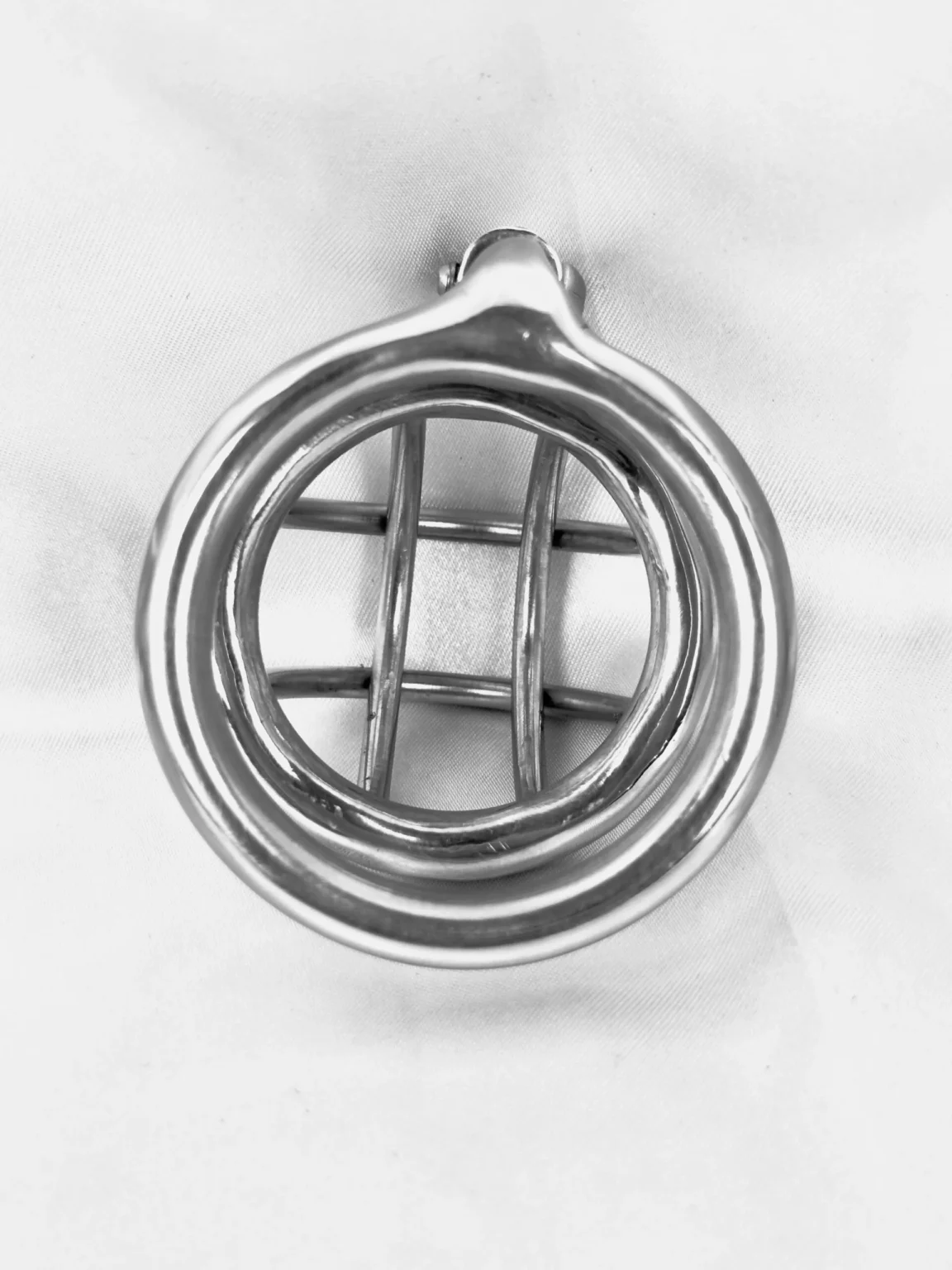
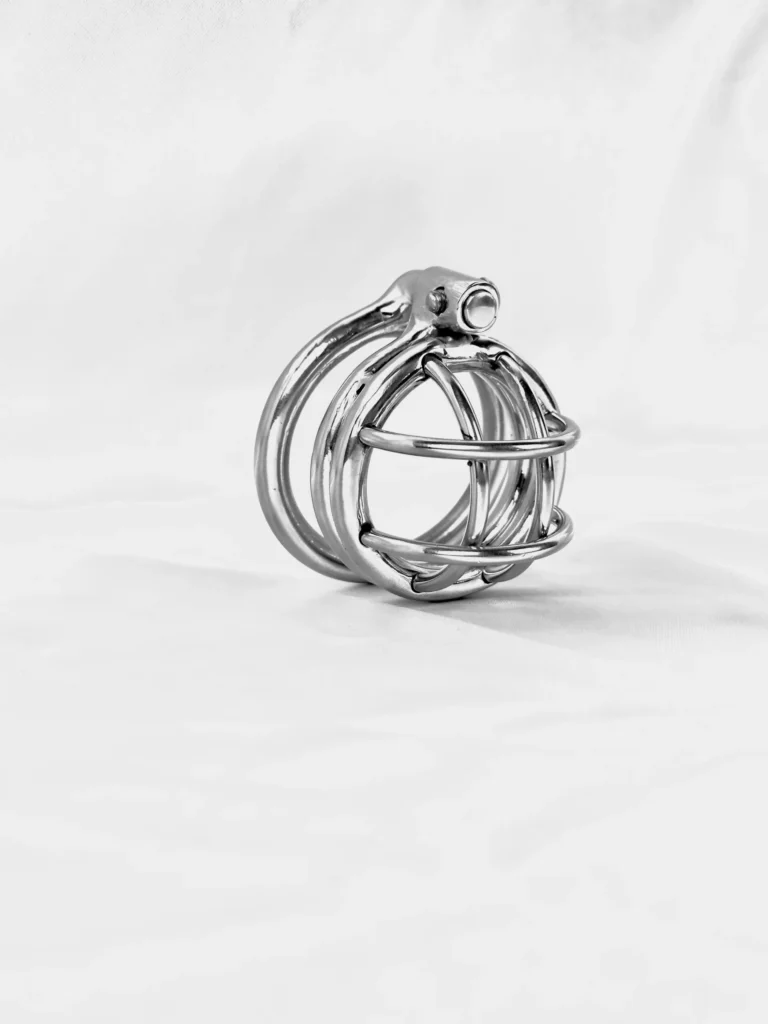
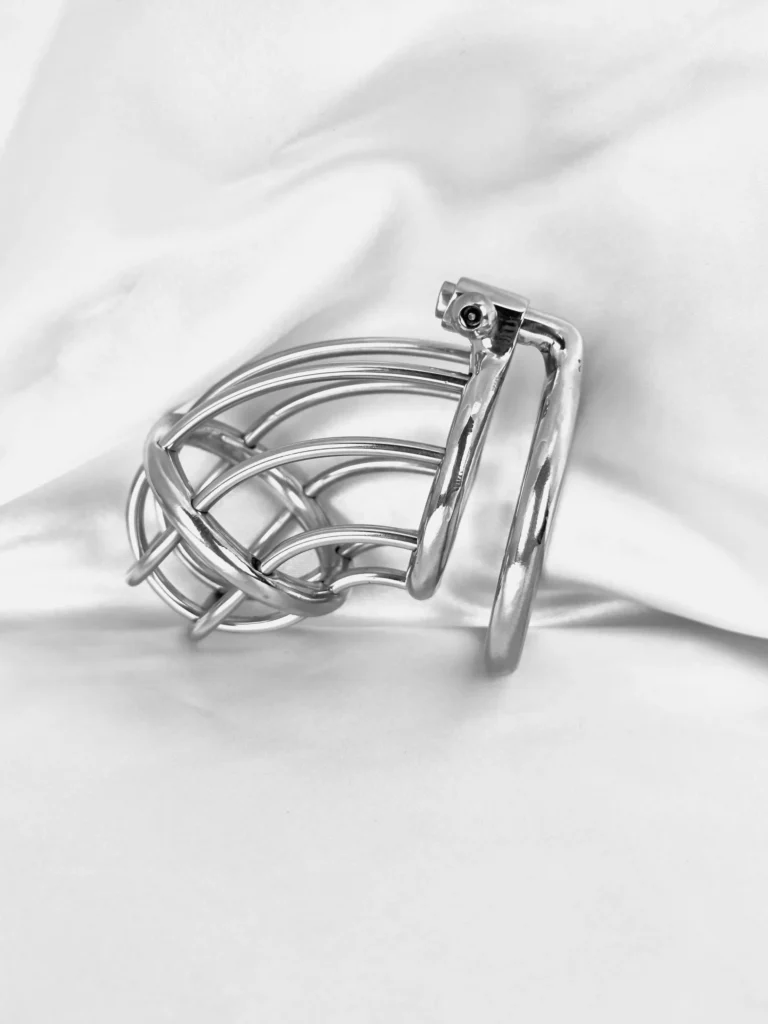
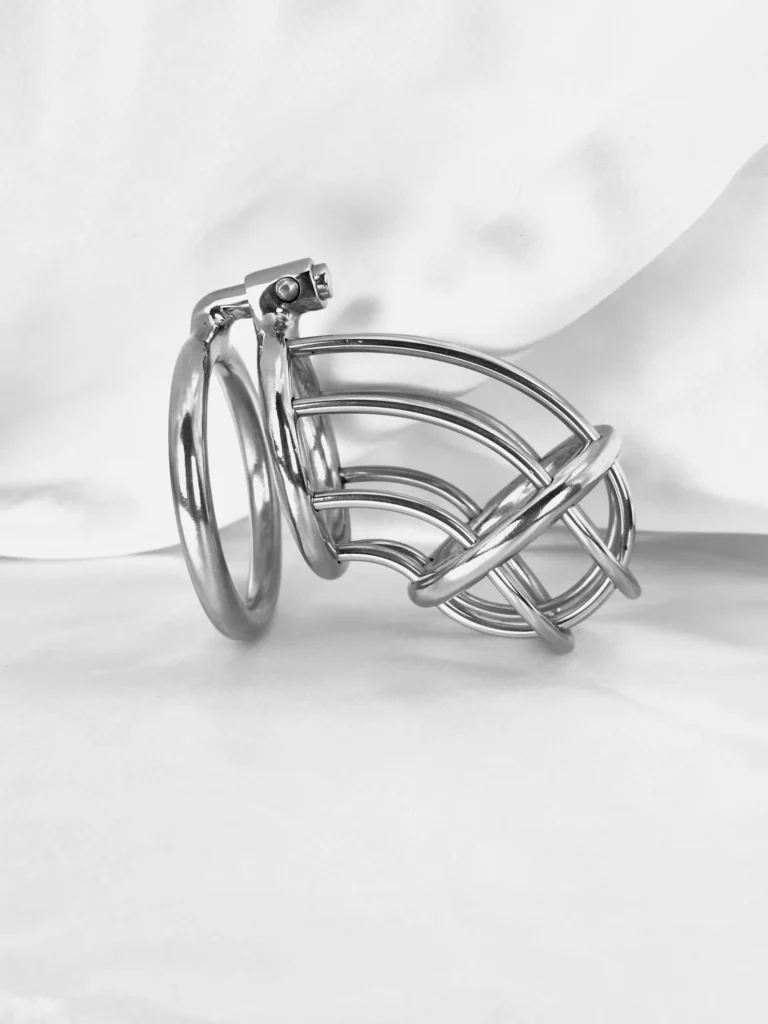
You clean a chastity cage the same way you’d clean the rest of you: warm water and mild soap, in the shower, every day. If the cage is an open design in stainless steel, that’s the entire method. Water and soap reach everything, the skin underneath gets washed like normal skin, and the device never has to come off. Dry it well afterward, give it a soft brush once a month, and it will stay clean for as long as you wear it.
Not all cages can be done this way. Closed tubes and silicone hold onto moisture and smell no matter how carefully you wash, and the only honest fix for those is taking them off.
Chastity hygiene comes down to two things: keeping urine and sweat from sitting against skin, and keeping bacteria from settling into places you can’t reach.
Urine will get trapped in any cage that has a closed front no matter the material it is made of. But when it is a plastic or silicone cage, they can become impossible to clean the smell out once it is embedded in urine. Stainless by far is the best material to prevent odors.
The whole point of having a cage is not to need constant removal for cleaning. If your device requires your Keyholder to approve or hand you the key every day just to stay fresh, then it is not a low maintenance cage.
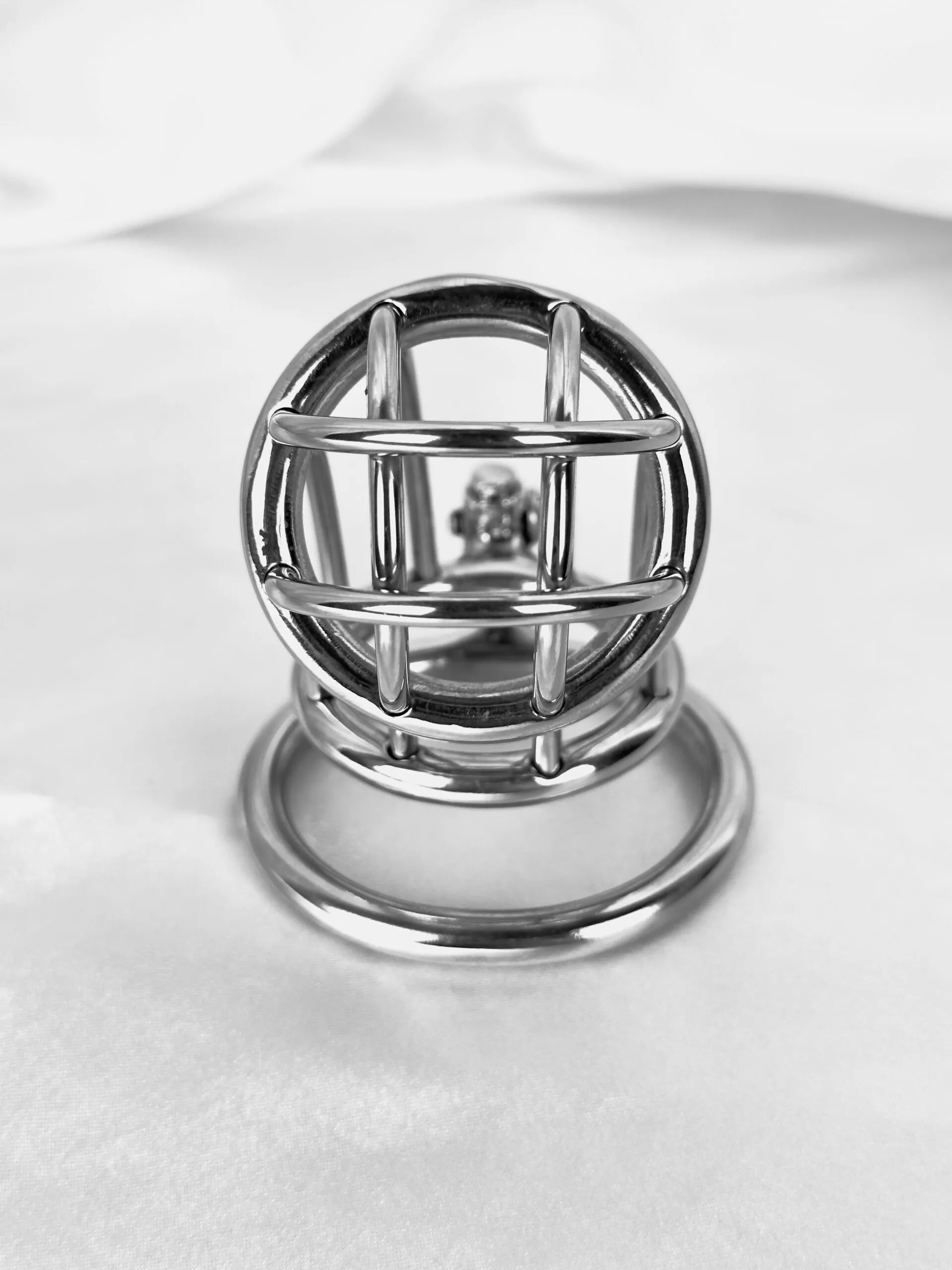
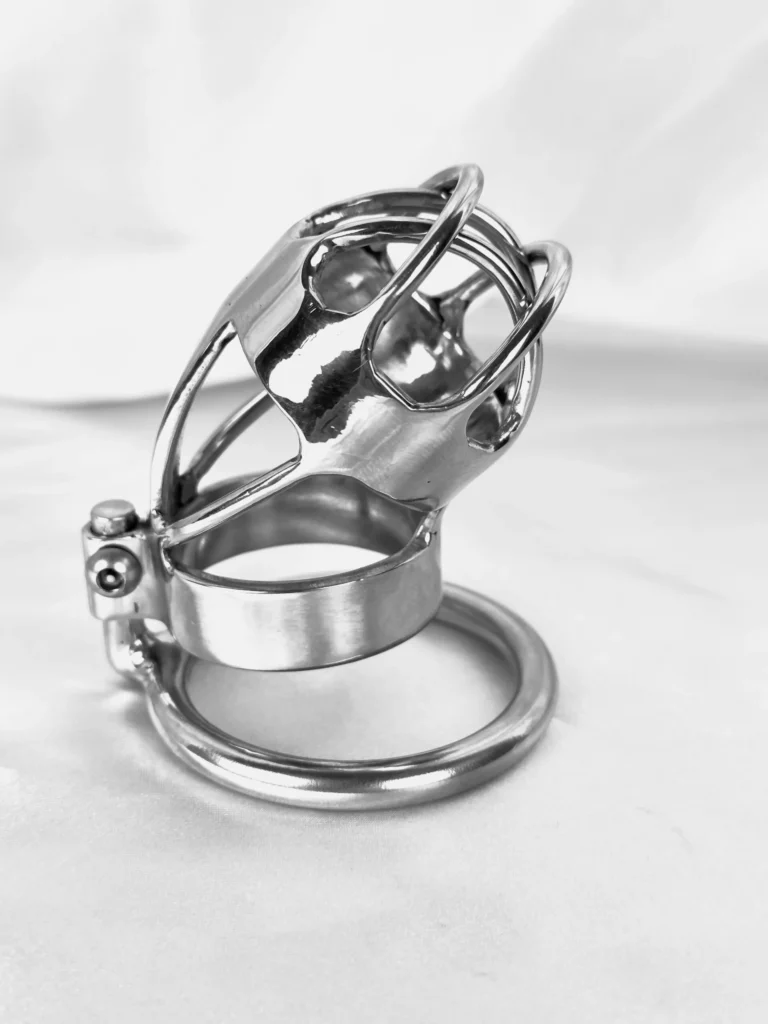
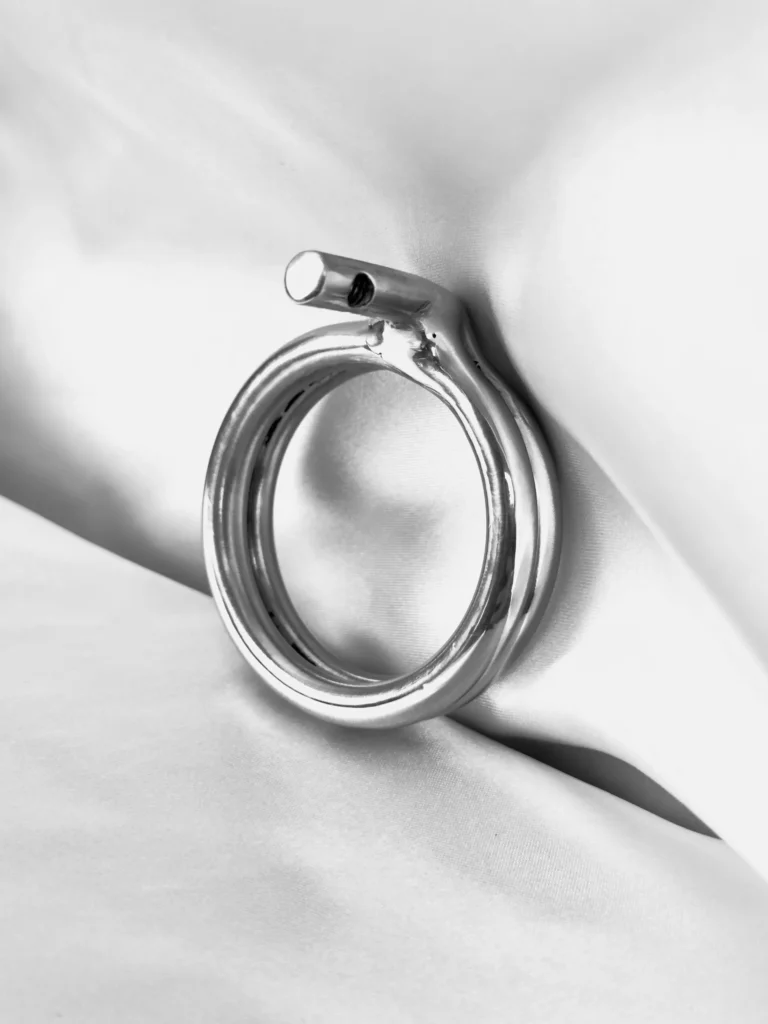
That’s it. No removal, no soaking, no special product. The Jail Bird was designed around exactly this: an open bar cage that can be cleaned without removing it, which is what makes long-term and even indefinite wear practical.
Stainless steel can also be sterilized when the device is off, which is worth doing on the occasions it does come off. But it’s an occasional thing, not the routine. Day to day, soap and water are enough.
Closed tubes enclose the shaft in plastic or resin with a small slot at the front. Water and soap don’t reach the inside walls, urine wicks up between the tube and the skin, and there’s no airflow. They’re very hard to keep clean, and in our experience they can still smell after cleaning. Bacteria will grow inside the cage unless it’s removed for a proper wash, which means the key comes out daily or the smell wins. (The solid shape is what makes a plastic tube structurally sturdy, so it isn’t a flaw the makers can simply drop; it’s a trade-off built into the material.) Another issue is once you have washed with the cage on how will you be able to dry it?
Silicone is worse on this one point. It’s soft against the skin, but the material itself takes on odor. The smell stays embedded in the cage. You can take it off and wash it and it can still smell afterward. That’s not a hygiene failure by the wearer, it’s the material.
Open stainless steel has none of that. Bars instead of walls, so water reaches every surface. A non-porous polished metal that doesn’t absorb anything. Soap and water, no removal, and it can be sterilized whenever you like. Skin moves easily across smooth stainless, so there’s nothing for residue to grip.
If you’ve been fighting a smell problem in a tube or silicone cage, the honest answer is that no cleaning routine will fully solve it. A different design will. Our comparison of metal and silicone cages walks through the trade-offs in full, and the guide to every cage type explains why open bar designs sit where they do.
Every extra step you can remove from the routine is one less reason for the device to come off. If cleaning requires the key, the Keyholder is now scheduling releases around hygiene, which is a hassle. If cleaning is a soap-and-water job in the shower, the lockup runs itself. As William puts it, if you can take out the hassle factor for your Keyholder, they’ll be much more inclined to support your lockup.
The daily routine above assumes a cage that fits: no extra room, holds itself up, everything reachable. If yours doesn’t, start with the plastic sizing rings, wear them for at least a week, and email us your numbers. And if you’re comparing designs, browse the full range; every one of them is built to be cleaned without a key.
Allow optional analytics to help us understand visits and purchases? Your choice does not affect shopping. Advertising tracking stays off.