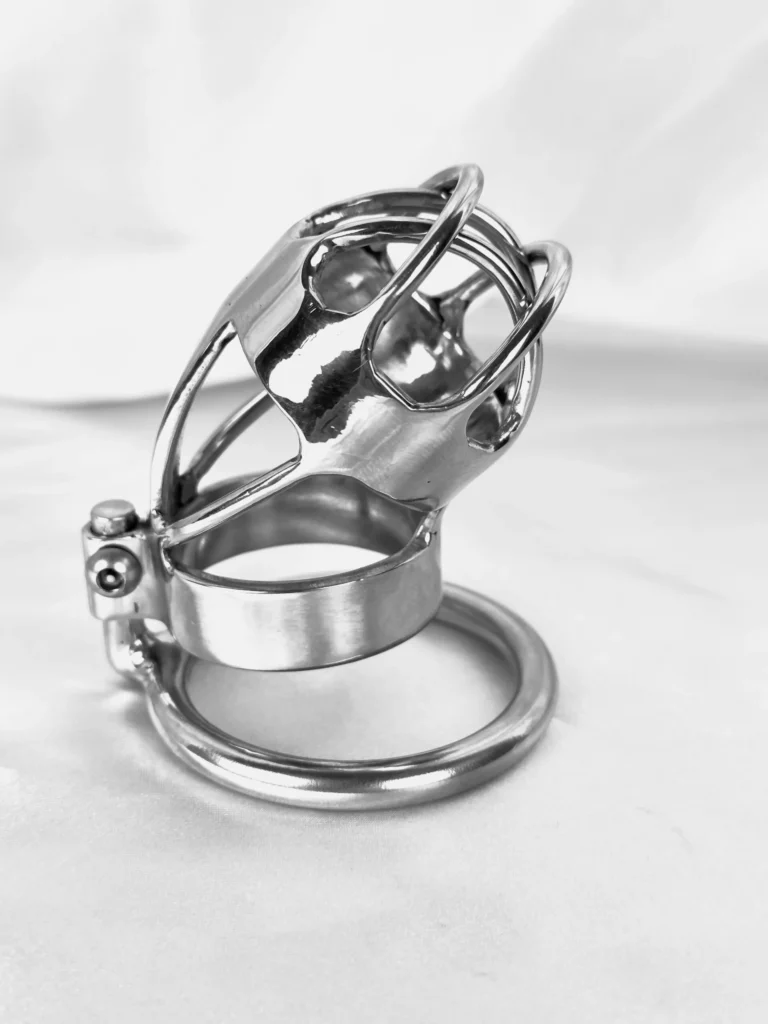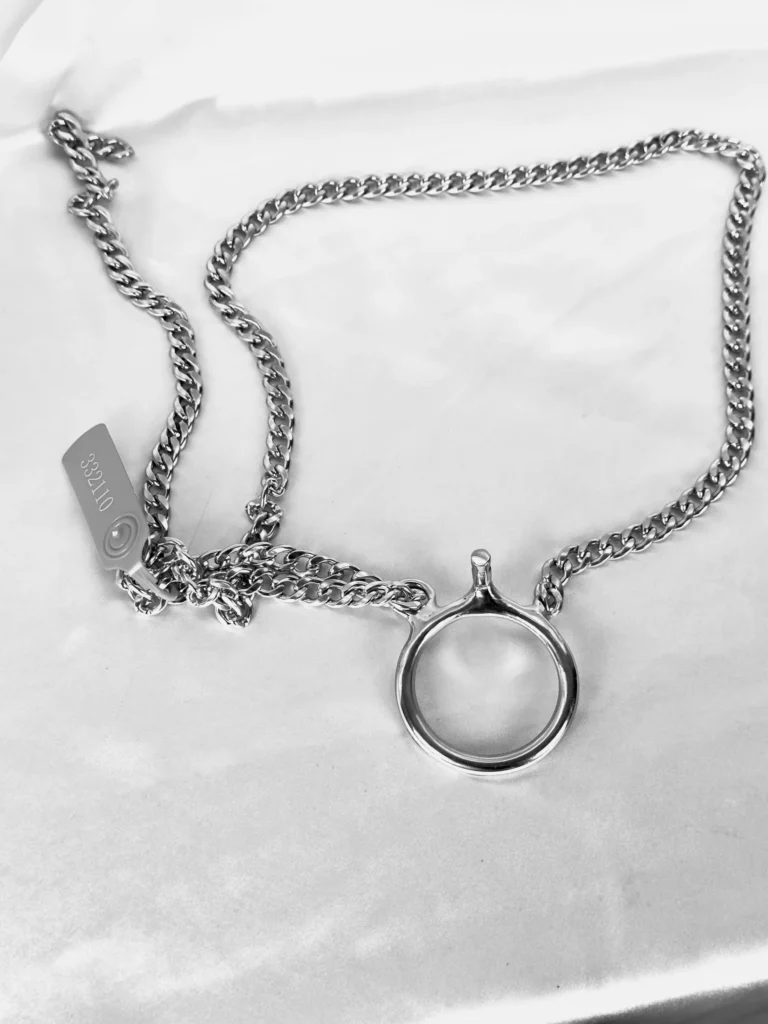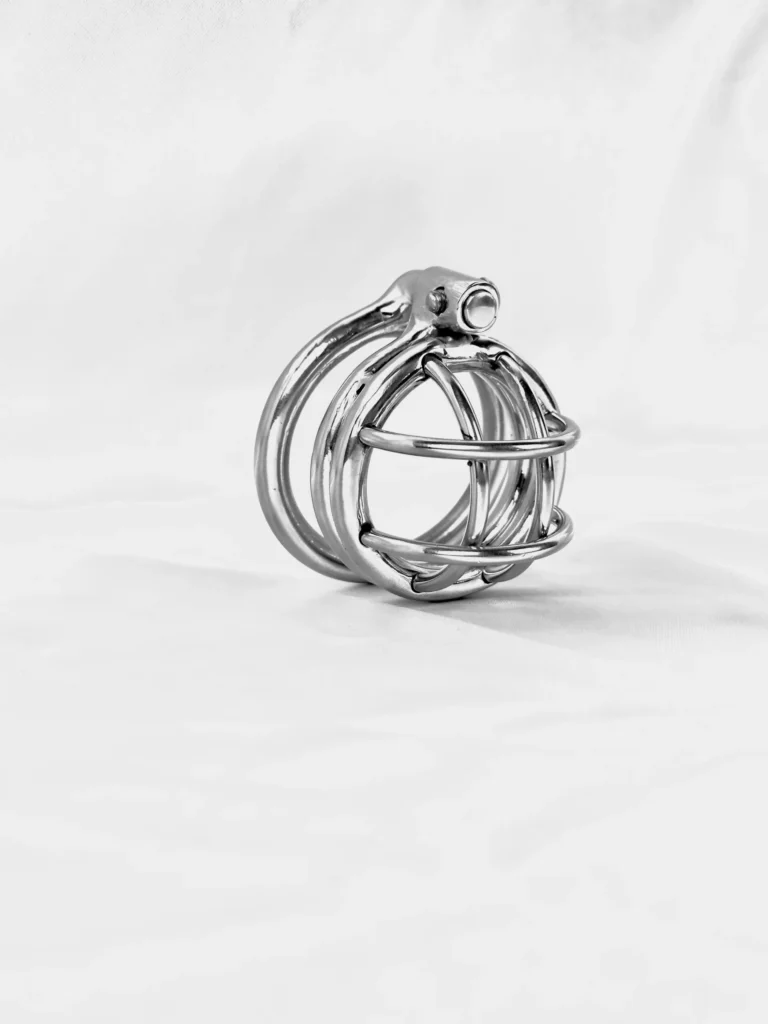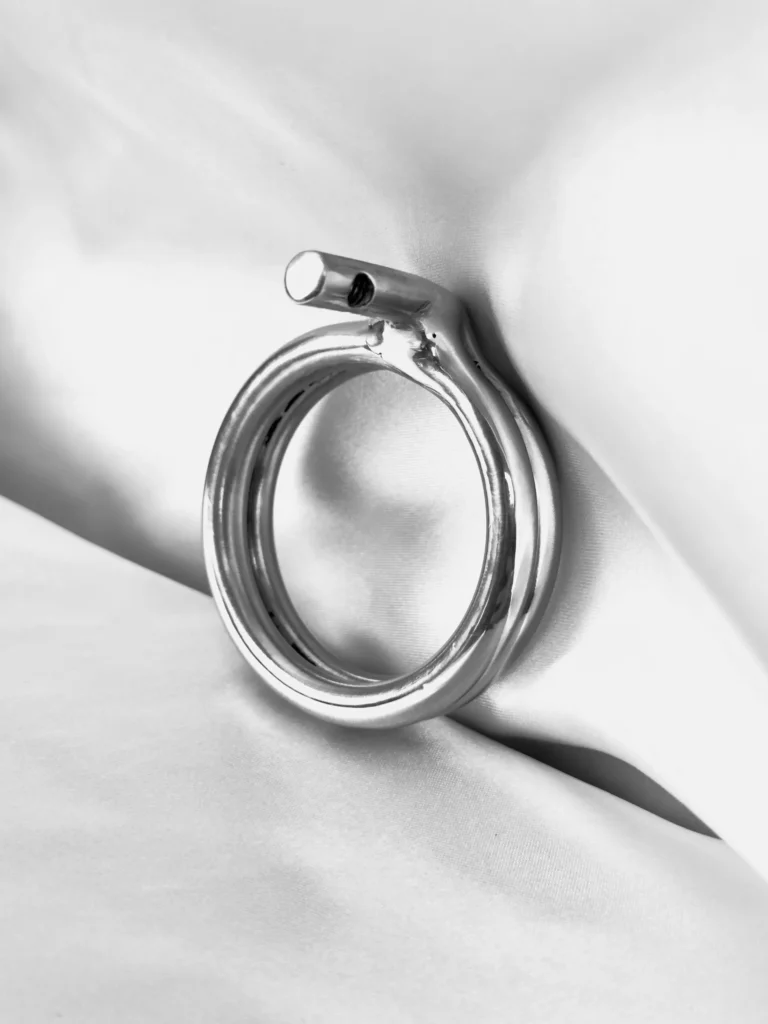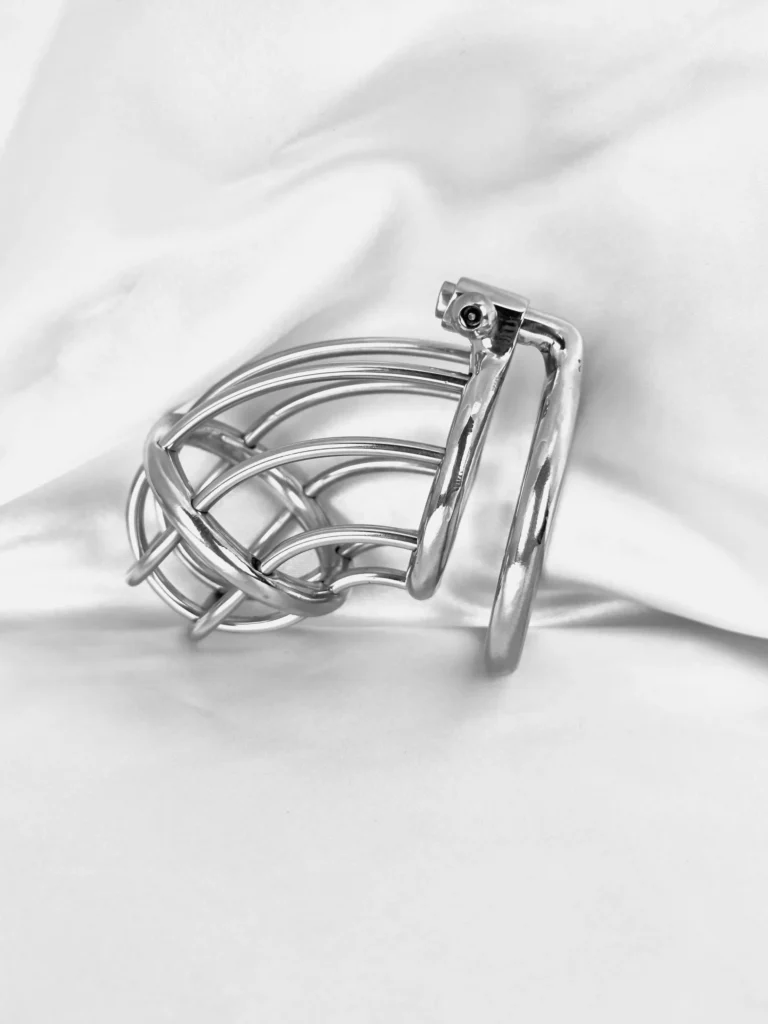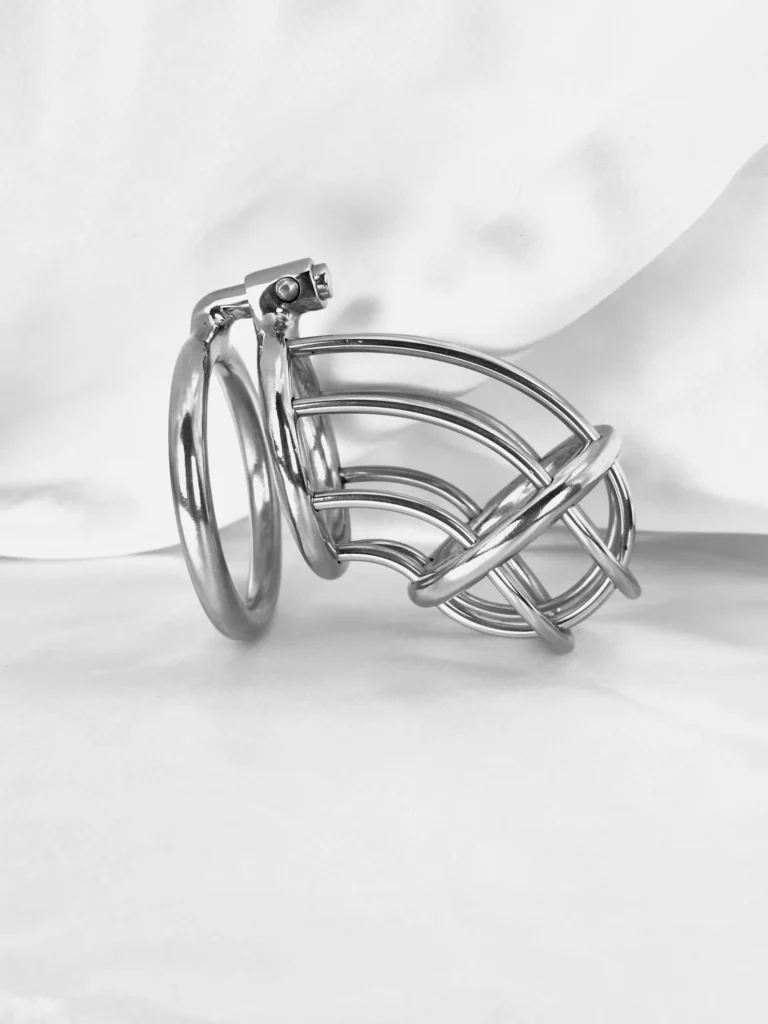
Every cage that has left this workshop since 2009 is surgical stainless steel: the 304 and 316 grades. Not “metal,” whatever a marketplace listing means by that: named grades, from the stainless families with the longest history in surgical instruments and implants, chosen for wet, salty places. A body qualifies.
No competitor writes about their material in real terms, so we will. Here’s what those numbers mean, why they matter against skin for years, and how bar stock becomes a stainless steel chastity cage that will outlast most things you own.
“Surgical steel” isn’t a regulated stamp anyone audits. It’s shorthand, and it’s only as honest as the maker using it. When the phrase means something, it points at the austenitic stainless grades, 304 and 316 chief among them, that built their reputation in operating rooms and professional body jewelry. That’s the company our devices keep.
What makes any of them “stainless” is chromium. It reacts with air to form an invisible, glass-thin oxide film over the whole surface, and that passive layer is self-healing: scratch it, and it re-forms in seconds. The metal underneath never gets the chance to rust the way plain steel does.
So here’s the working rule for shopping anywhere, including here. A “surgical steel chastity device” with no grade named is a shrug. A named grade is a specification. Ours are named, and now explained.
304 stainless steel is the workhorse of the whole stainless world: roughly 18% chromium and 8% nickel, the recipe behind everything from surgical instruments to professional kitchens. 316 stainless steel starts from the same base and adds the ingredient that defines it, 2–3% molybdenum, which reinforces that passive layer against chlorides, the chemistry of salt. (You may also see 316L, a lower-carbon version of 316 specified where welds must resist corrosion over decades; same family, and for a wearer the difference rounds to zero.)
Here’s how the two divide the work in our shop: round stock is 316, flat metal is 304. The Jail Bird, built entirely from round bar, is 100% 316 stainless. Our other cages use both: 316 in the round stock, 304 in the flat.
Chromium alone handles rain. It struggles with chlorides, which chew microscopic pits into ordinary stainless left in their company; molybdenum is the addition that resists exactly that attack, and it’s why 316 gets specified wherever salt is part of the job description.
And think about where a cage lives. The inside of underwear is warm, damp, and salted with sweat; add urine, add showers, add the occasional swim, and you’ve described a chloride environment as surely as any harbor. Grade matters more in a cage than in cutlery. Our devices won’t corrode in chlorinated or saltwater pools, and the environment isn’t a worst case. It’s Tuesday.
Our steel is biocompatible and hypoallergenic, the same material class used in medical implants and body jewelry, and those claims deserve the honest footnote most pages skip. Yes, 304 and 316 both contain nickel. What makes them kind to skin is that passive chromium-oxide layer, which keeps nickel release vanishingly low; it’s the reason the 316 family became a default for fresh piercings, about the most allergy-sensitive job a metal can hold. That’s the substance behind the “hypoallergenic chastity cage” label, and it lives in the metallurgy, not the marketing.
The rash-and-rust stories that circulate in this community almost always trace back to unnamed plated alloys, the mystery metal of bargain listings; our reviews include upgraders who arrived from exactly those, some carrying a rusted cage as evidence. That said, we’d rather lose a sale than cause a reaction: if you have a diagnosed severe nickel allergy, talk to your doctor before wearing any metal device, ours included.
The material story becomes a device on the bench. A Jail Bird is formed and welded by hand from 1/4″ and 1/8″ (about 6 mm and 3 mm) 316 round bar, with the base ring built on the 1/4″ stock. Those bars are the reason a finished cage is so rigid: they don’t bend and they don’t pinch, and the interior space you measured for is the interior space you get, every hour of every day.
An average build lands around 5 oz (140 g), and every one is a made-to-measure steel device built to the buyer’s four sizes: cage inside diameter, base ring inside diameter, length, and gap. Steel also forgives more than you’d expect. The base ring diameter, the gap, and the length we can adjust for you later, even years after purchase. The cage inside diameter is the one size that can never change, which is why our plastic sizing rings exist, and why a week of wearing them comes before any steel gets cut.
Daily care is mild soap and warm water, done in place on an open design, no need to take the device off, then a thorough dry to keep water spots off the polish. A soft brush handles the deep clean when you want one, and the material can be outright sterilized when you want to start from absolute zero. Skin has an easier time on it too: it moves freely across smooth polished stainless instead of catching the way it does on plastic, one reason a well-fitted steel cage disappears on the body.
Kept that way, a stainless device lasts many years; ours carry a lifetime warranty against manufacturing defects in welding, material, and workmanship, which is the kind of promise you can only make about a metal you trust completely.
Fair question, honest answers. Titanium is a genuinely excellent metal: lighter than stainless steel, similarly kind to skin, and more expensive and more demanding to fabricate. Nothing we’d argue against; it just isn’t the material we’ve spent every year since 2009 learning to the ounce. And unnamed “stainless” could be any of a dozen grades with very different chloride behavior. If a maker won’t name the grade, ask why not. We just spent an entire article naming ours.
If you’re still comparing materials broadly, the silicone comparison and the plastic comparison finish the picture.
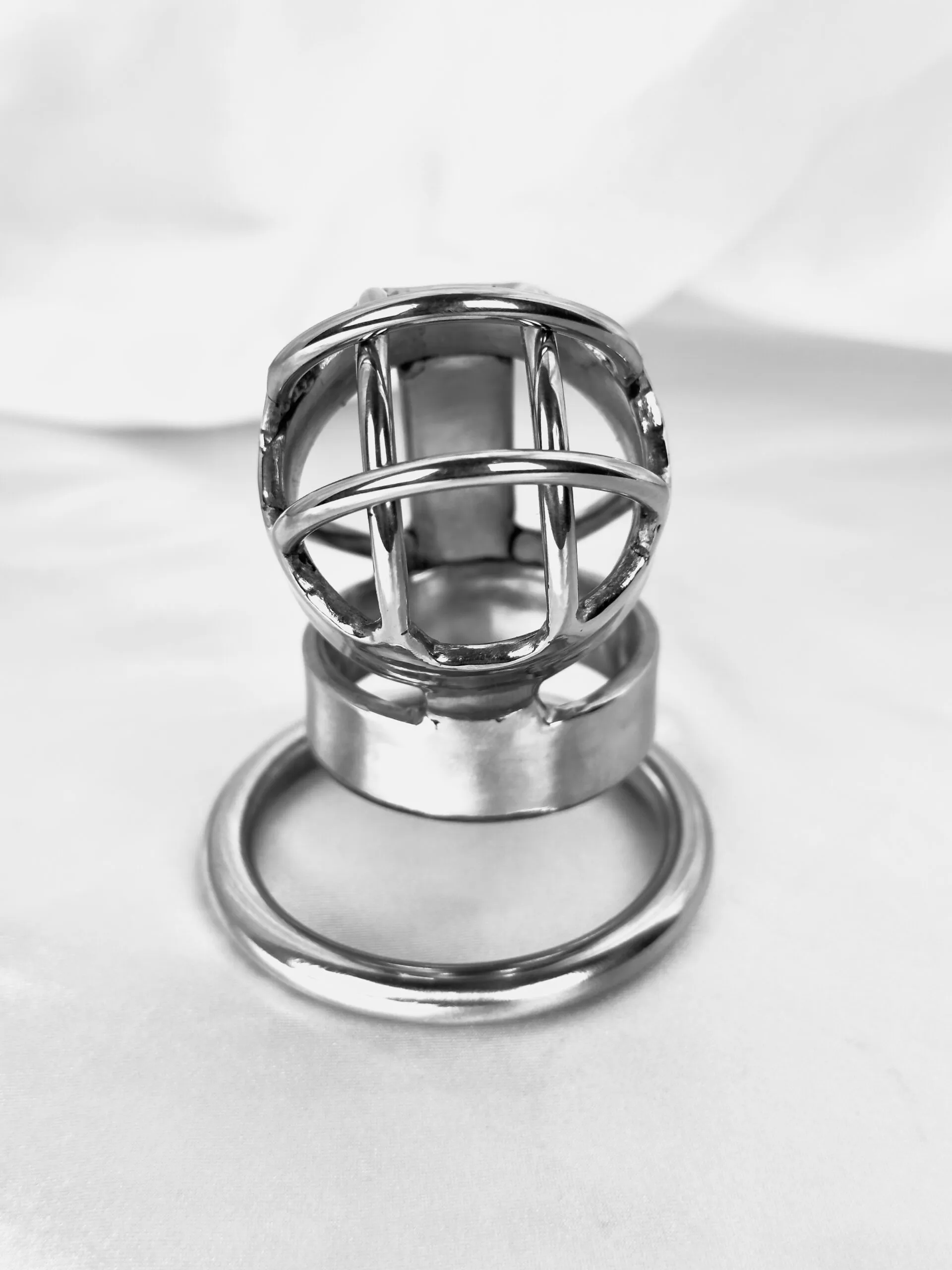
The material is half the promise; your measurements are the other half. Browse the range to see what the steel becomes, and start with the sizing rings if the four sizes aren’t settled yet. Questions about the steel itself are welcome too, and they’re answered personally by Mistress MM or William: maturemetalsales@gmail.com.